Dachau
Dachau is a small town with a population of about 40,000, 30 kilometres northwest of Munich. In March 1933, the Nazis established a concentration camp in an old gunpowder factory that had been built during the first world war but closed down in 1919. The premises were worn and partly dilapidated but sufficiently spacious and suitable for the purpose to set up a camp. When the camp officially opened on March 22, 1933, it was noted the day before in the Nazi newspaper Völkischer Beobachter. There you could read that a camp for about 5000 political opponents the next day would open near Dachau. A road sign on the road between Munich and Dachau showed the way to both the camp and the SS area that was built next to the camp.
Dachau was the first official concentration camp established by the Nazis. Much thanks to Bayern that same month got a Nazi interior minister (Adolf Wagner) who thus paved the way for Heinrich Himmler’s SS to take over the police in Bavaria. The concentration camps were outside the ordinary legal system and were SS own sphere with their own laws and without transparency to outsiders. The first prisoners brought to Dachau came from the Stadelheim prison in Munich and the prison in Landsberg am Lech. During its first phase, the camp was small in size and there was an openness towards outsiders. SS even received visitors where (well-chosen) parts of the camp were shown to visitors. The SS had even set up a small camp museum in a hut.
When the concentration camps were reorganized in 1936 Dachau remained. The Nazis then began to imprison homosexuals, Jehovah’s witnesses, priests, freemasons, prostitutes, anti-social, Jews and prisoners were forced to perform slave labor industries and work shops close by. As the first Nazi camp, Dachau served as a model for all the other concentration camps that were established around Germany and Europe. In 1937 a large expansion of the camp began. Old premises that previously belonged to the gunpowder factory were demolished to make room for new barracks. A large prison, called the bunker, was also built in the camp. It was located behind the main building in the camp and fenced off. Prisoners were brought here for disciplinary reasons or just couldn’t be kept together with other prisoners. Executions were also carried out at the bunker. Prominent prisoners like George Elsner and Martin Niemöller were imprisoned in the bunker. The first had attempted to assassinate Hitler with a bomb in 1939 and was executed in the bunker at the end of the war. The latter was a theologian who survived captivity.
Outside the prison camp, the SS expanded its area, which was larger than the prison camp itself. The SS area became like a small small town and was supplied by the prison camp. In 1938, a large farm called Herb Garden was built north of the prison camp. It consisted of laboratories where SS experimented with various plants, plants and herbs. In 1940, a rabbit farm (project Angora) was established in the northeastern part of the camp for breeding Angora rabbits. Angora is a long-haired rabbit whose wool the Germans used as lining in uniforms for the Luftwaffe. The farm expanded continuously and in 1944 there were about 4,000 rabbits in the farm. In 1941 a disinfection barrack was built in this part of the camp for disinfection of prisoners’ clothing. In 1944 a brothel was also set up in a barrack where female prisoners from Ravensbruck were forced to prostitute themselves. Those who had access to the brothel were partly SS and partly prisoners who by the SS were allowed, as a kind of reward or as a privileged, to visit the brothel. In the northwestern part of the camp there was also the camp nursery for children of the SS and greenhouses.
The first prisoners were usually released after a few months or up to a year when the Nazis regarded them as political reliable due to there "education" in the camp. After the reorganisation in 1936, it became much more difficult for prisoners to be released. Until the outbreak of war, only Germans were in Dachau. After the outbreak of war, prisoners from all corners of Europe were brought to Dachau and the possibility of being released was, regardless of nationality, virtually non-existent. As the large concentration camp Dachau was, it came to provide the entire southern German war industry with slave workers. After the outbreak of war, the number of deaths also increased drastically, mainly through hard slave labor but also through direct executions. For instance, about 4000 Soviet prisoners of war were executed in 1941 and 1942 at an existing shooting range in Hebertshausen, about 2.5 kilometers north of Dachau.
Like many other concentration camps, Dachau conducted medical experiments on prisoners in block 1, 3 and 5. In block 5, Dr Sigmund Rascher conducted medical experiments on prisoners who were exposed to oxygen deprivation, saltwater ingestion, starvation and hypothermia. German pilots shot down over the English channel and the North Sea were exposed to all this. The experiments were thoroughly documented. Other experiments that were conducted were malaria experiments where prisoners were injected with malaria virus. The spread of the disease was well documented by doctors. Several prisoners died as a result of the experiments.
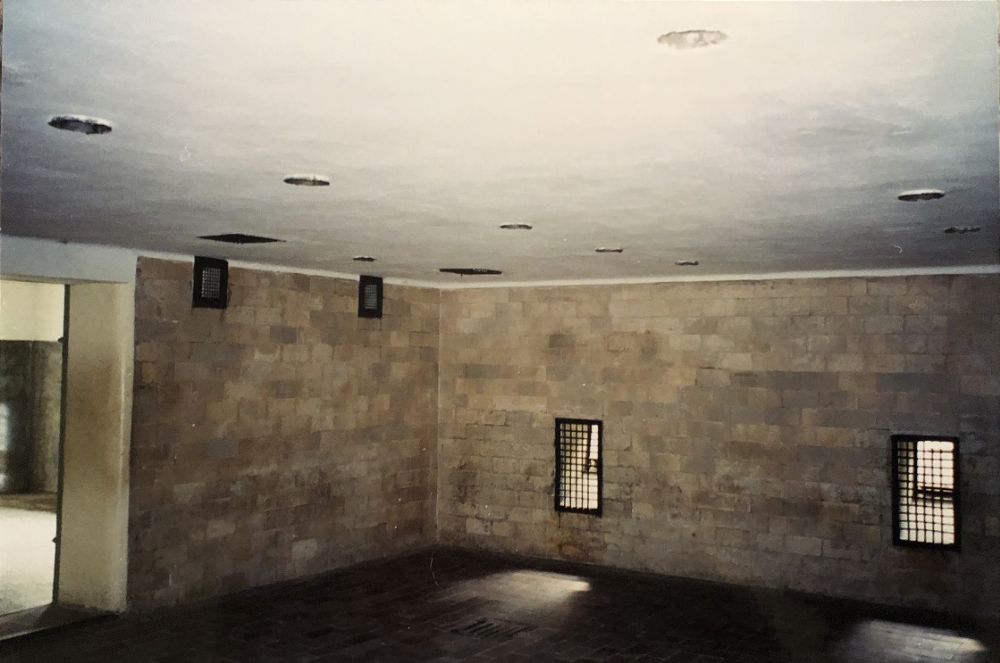
In the summer of 1940, a crematorium was built with an oven next to the camp to cremate dead prisoners. It was located just outside the main prison camp and access went through the SS area. Previously, dead prisoners was sent to nearby crematoriums, but as the death ratio increased SS decided to built their own on site crematorium for disposal of dead prisoners. Partly because it was more efficient, partly because secrecy. In 1942, a larger crematorium was built and completed in 1943. It consisted of four ovens and was located next to the old one. The new crematorium was called Baracke X and consisted, in addition to cremation furnaces, also of a gas chamber, reception room, undressing room, morgue and a disinfection room for clothes. However, the gas chamber was never used for mass killings, only a small number of prisoners were killed. It is still unknown why the nazis didn’t use the gas chamber for mass killings. The crematoria area was also used for executions by hanging or shooting. The ashes of the cremated was also dug down in the same area.
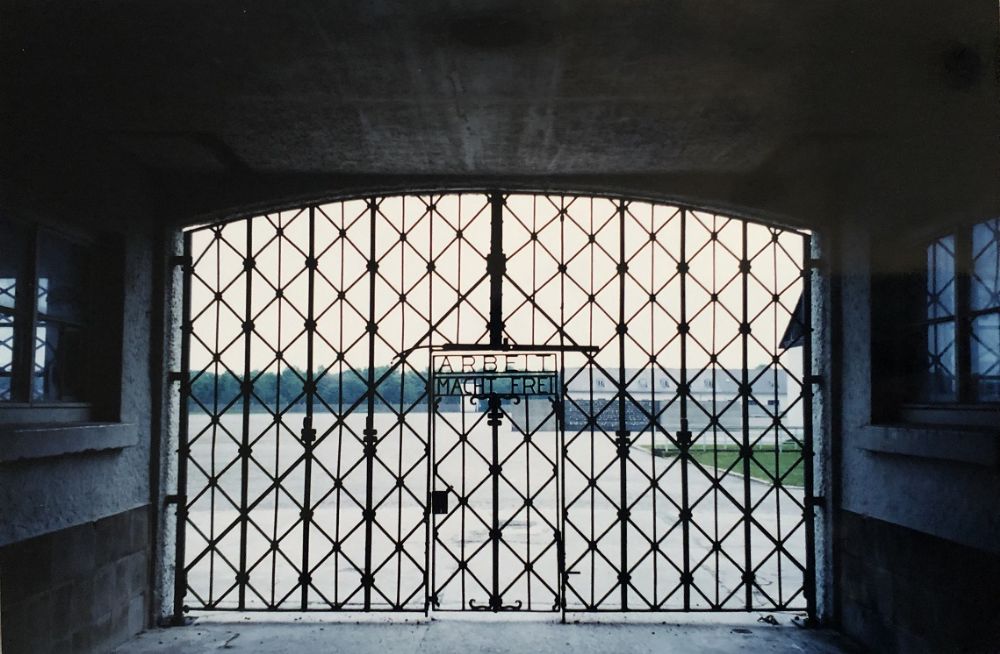
It was also from Dachau that Auschwitz first commandant, Rudolf Höss, during his service in Dachau he got the idea to put a sign with the text Arbeit macht frei over the camp gate in Auschwitz. Same slogan could be seen on the gate into Dachau.
Dachau was liberated by American forces on April 29, 1945. Like Bergen-Belsen and Buchenwald, the liberation was filmed. According to Nazi documents, between 1933 and 1945, 206,000 prisoners were registered, but the figure is probably greater when prisoners arrived without being registered. Of these, about 45,000 died. Between February and April 1945, dead prisoners were buried in mass graves at Leitenberg, about two kilometers northwest of the camp. This because the crematorium did not have the capacity to cremate all prisoners who died as the camp became overpopulated as prisoners from other camps arrived in Dachau. After the liberation, the Americans also buried dead prisoners at Leitenberg who they found dead in the camp when it was liberated or died shortly after the liberation.
After the liberation and the war, the camp was used for various purposes. For instance as accommodation for former prisoners who were seriously ill or were waiting to be repatriated. But also to house Nazi party officials and members of the SS while awaiting trial. Between 1945 and 1947, a military court held 489 trials in the camp against Nazis accused for war criminals. At the end of the forties, parts of the camp were used as a reception camp for expelled Germans. In the early sixties, the Bavarian government decided to establish a museum on site. However, the barracks were in such poor condition that they were demolished, they had also been modified and rebuilt for new purposes from 1945 onwards. Two barracks were reconstructed to give the visitor an insight.
Current status: Partly preserved/demolished with museum (1997).
Address: Alte Römerstrasse 75, 85221 Dachau.
Get there: Commuter train to Dachau Station then bus to the museum.
Follow up in books: Berben, Paul: Dachau: 1933-45 The Official History (1975).
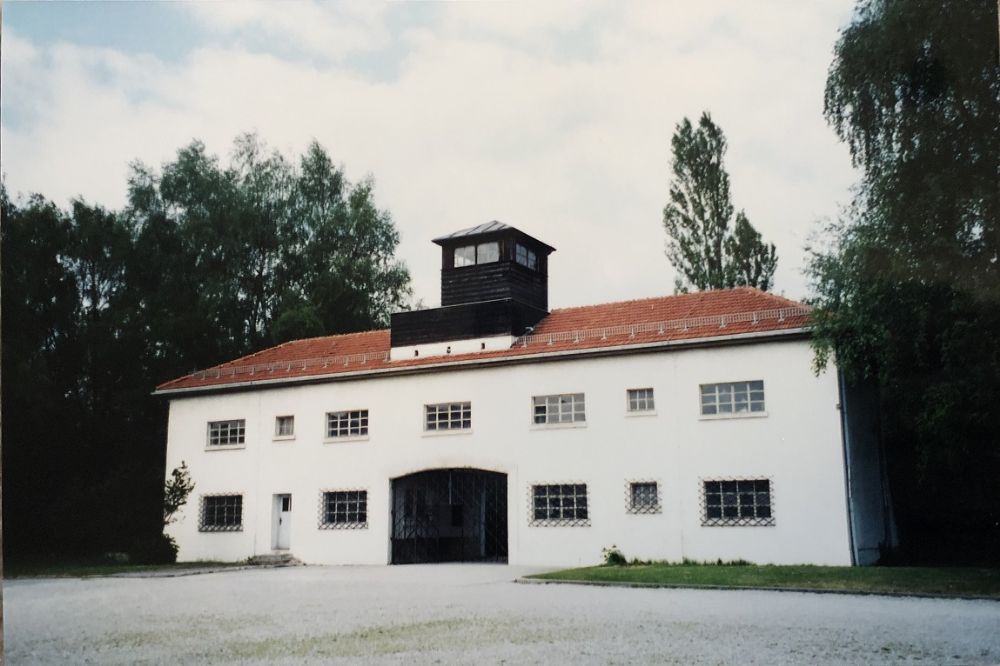
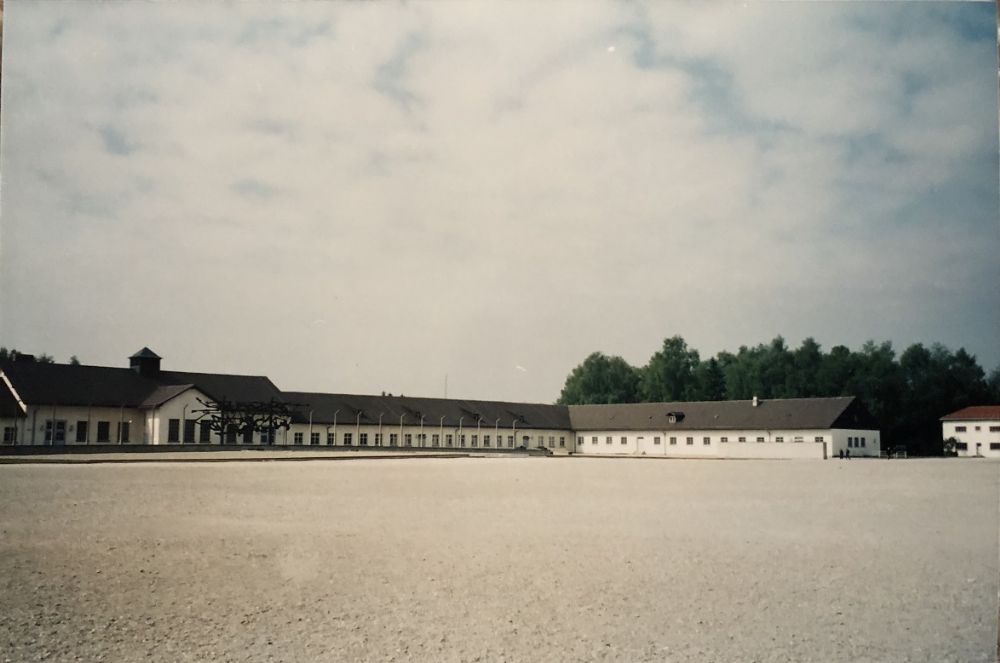
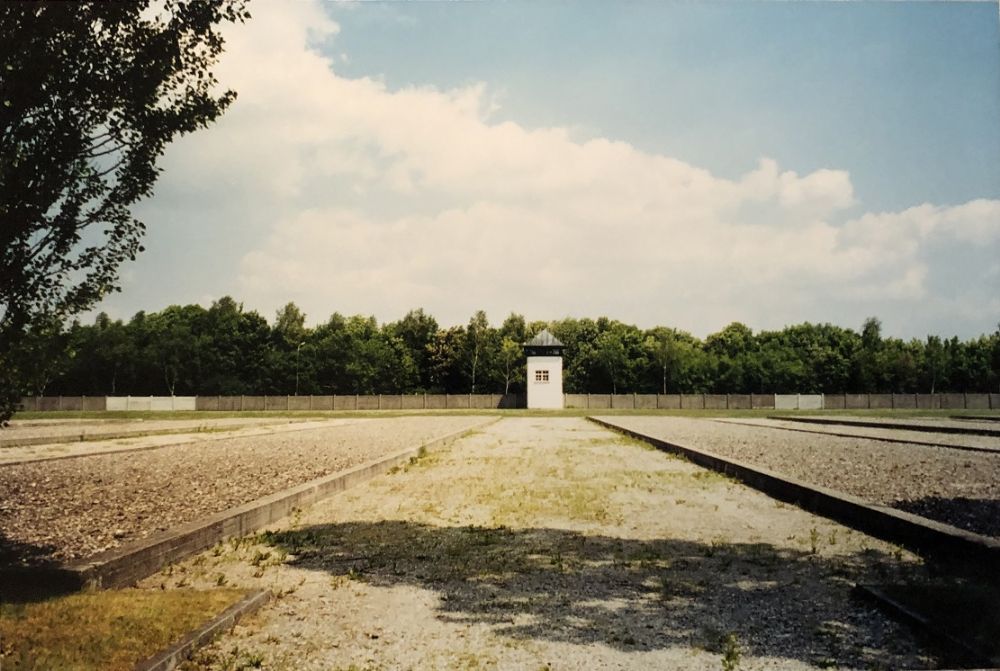
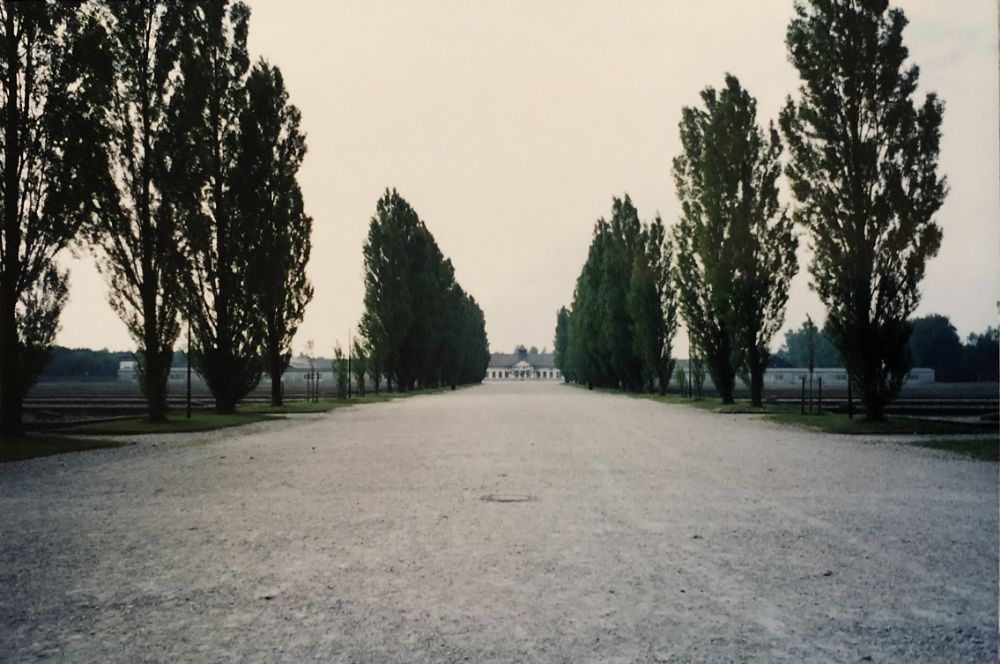
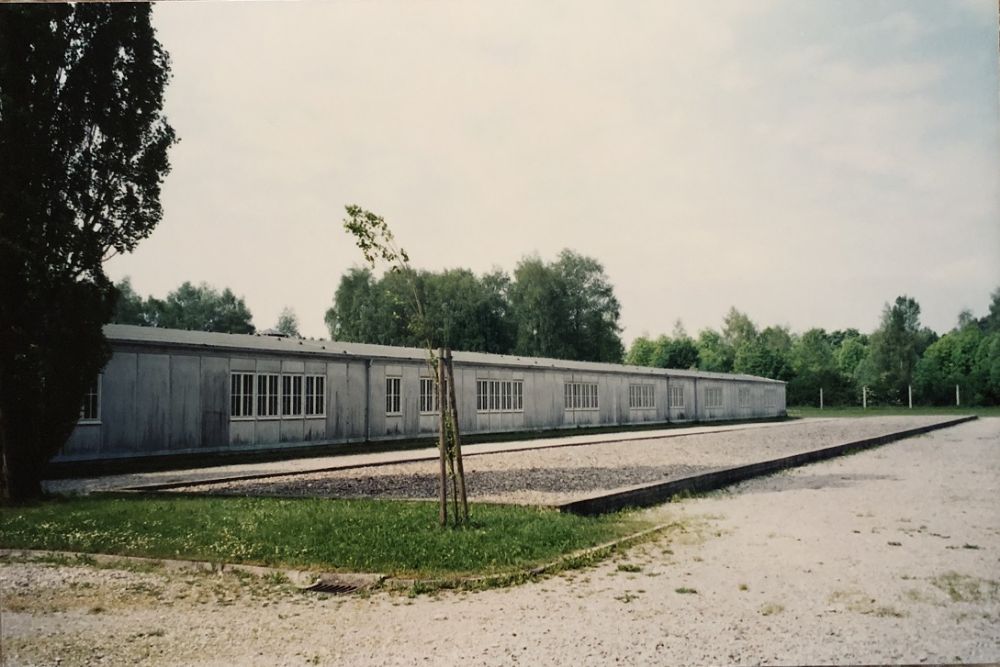
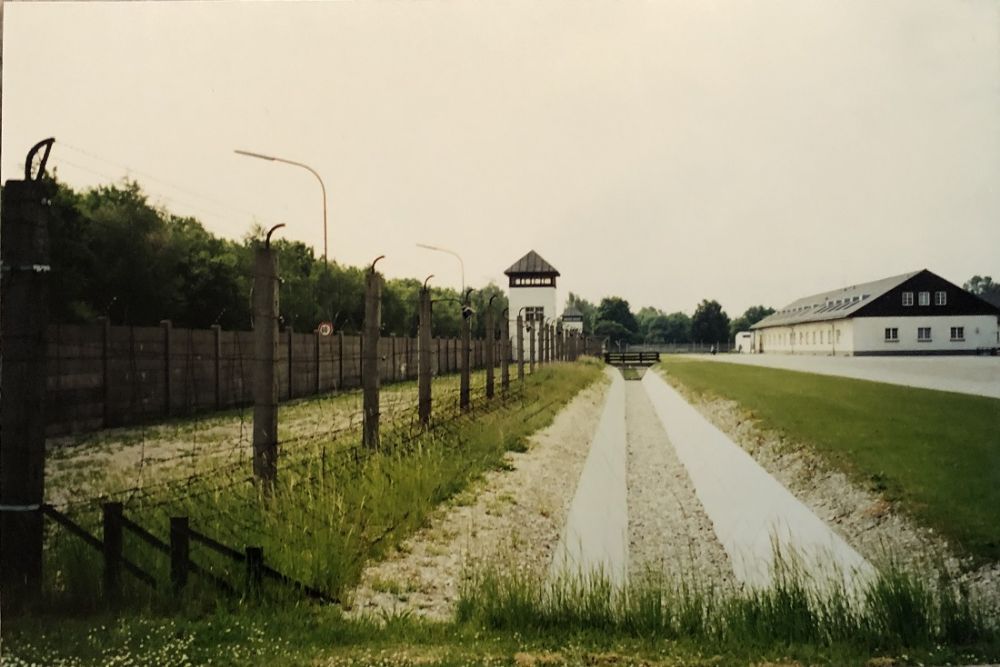
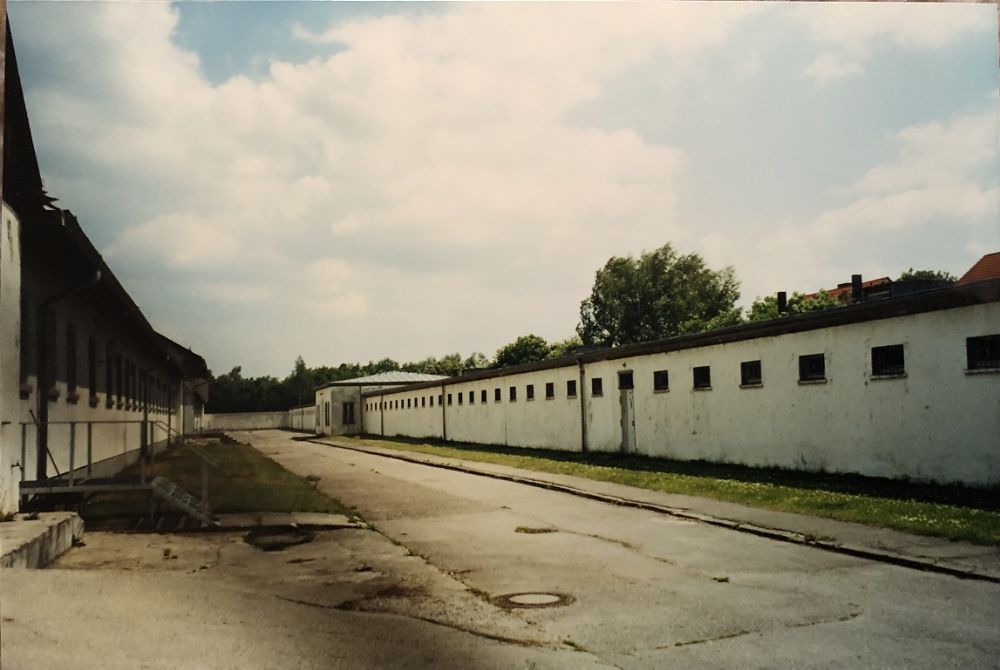
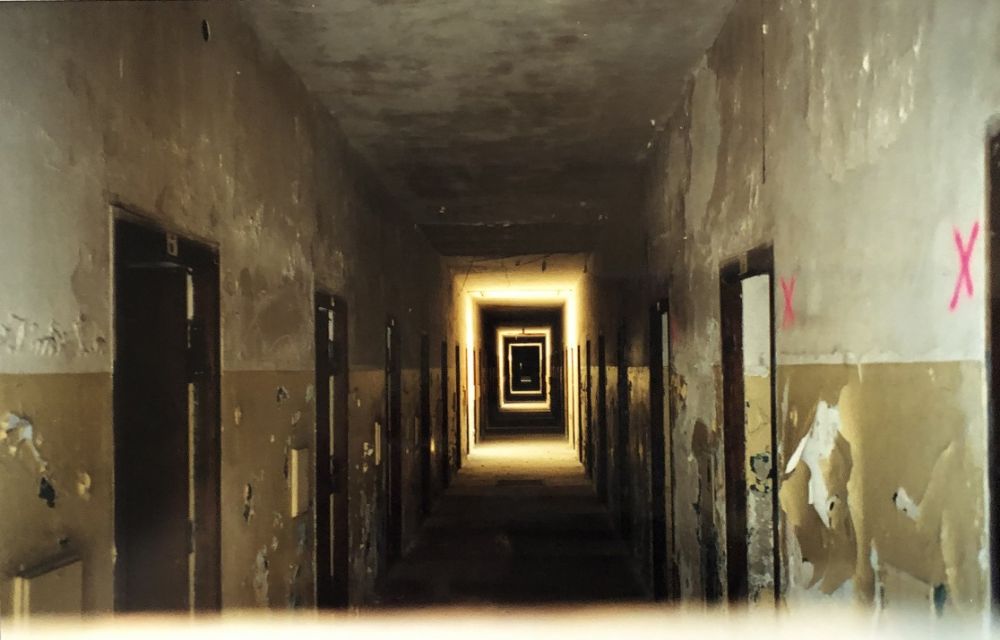
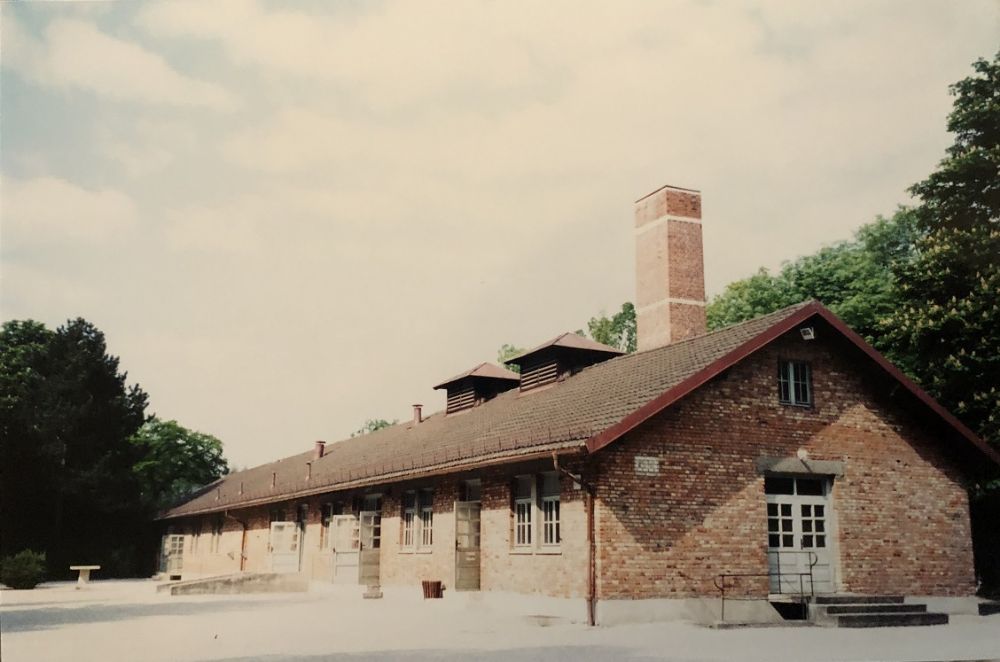
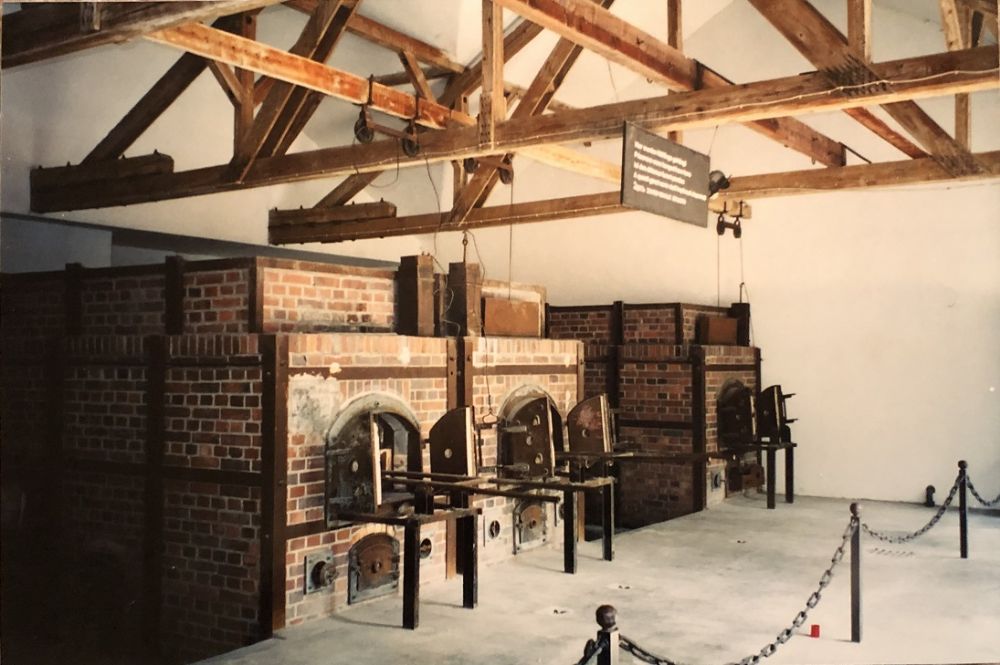


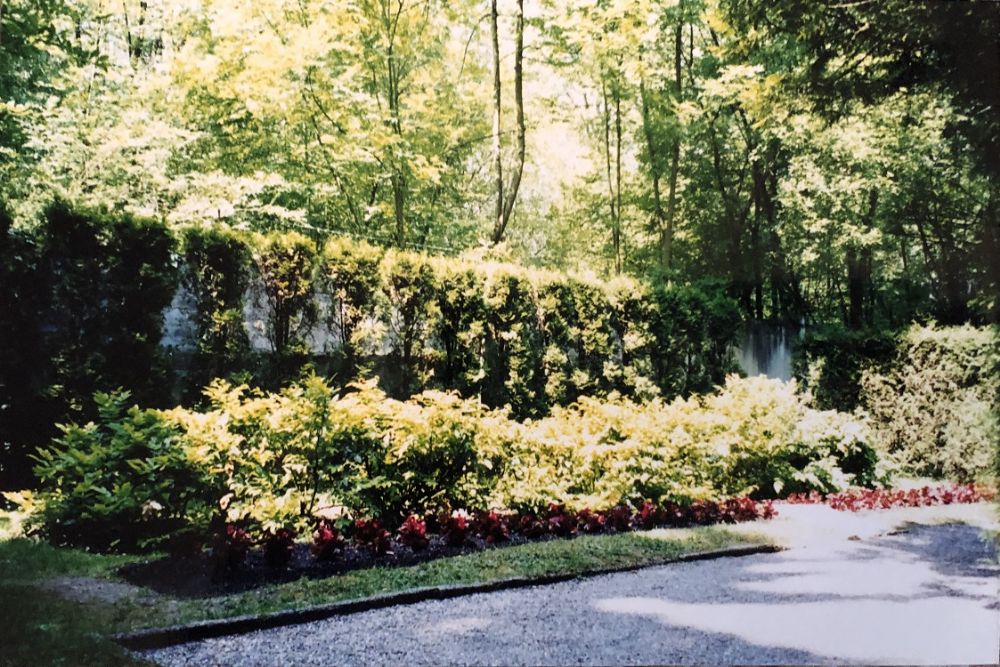
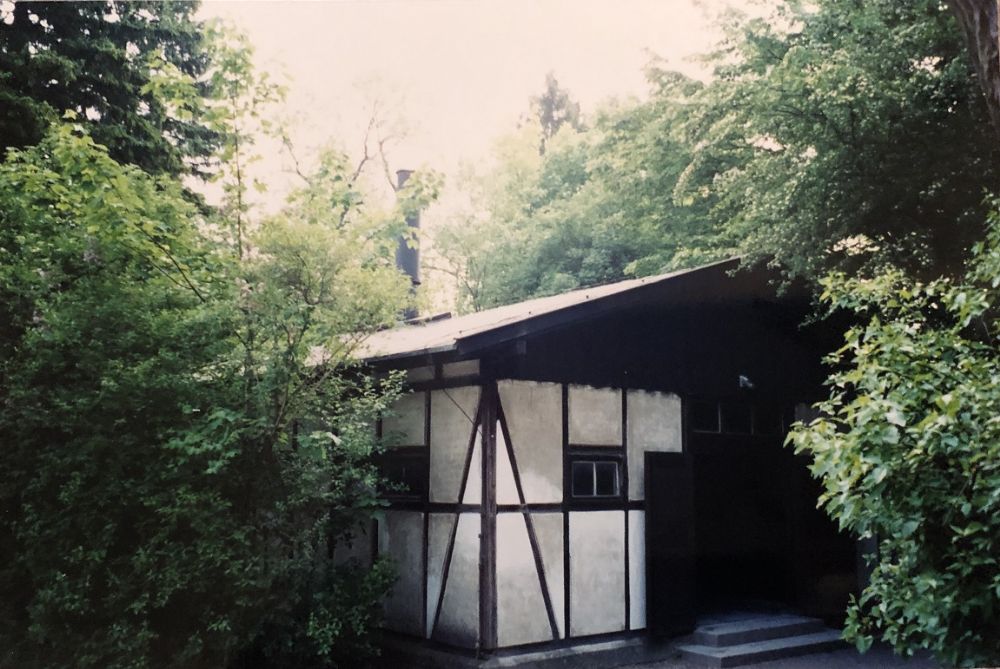
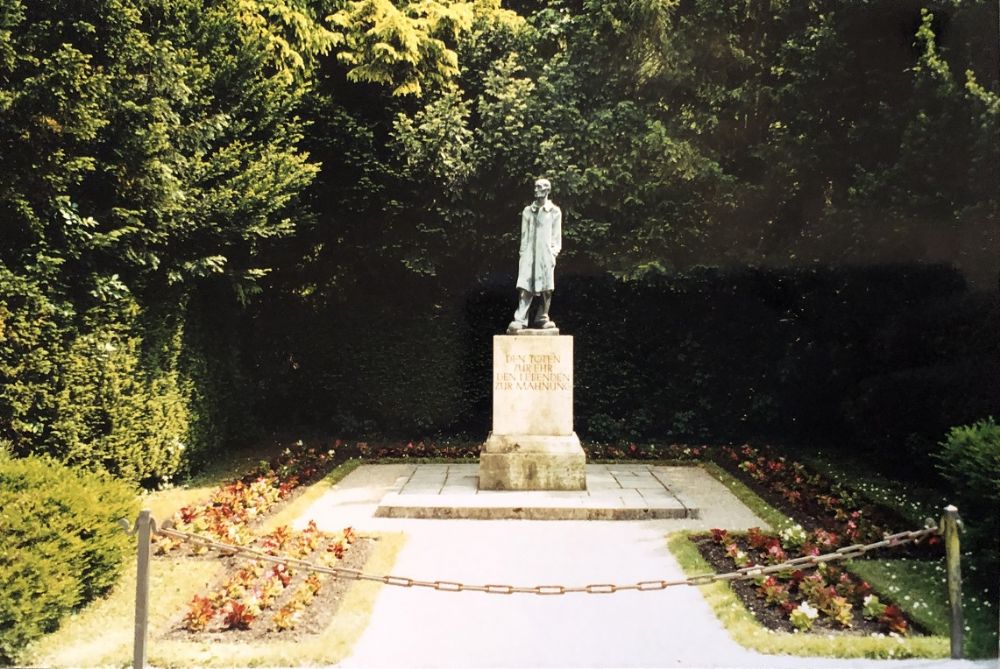
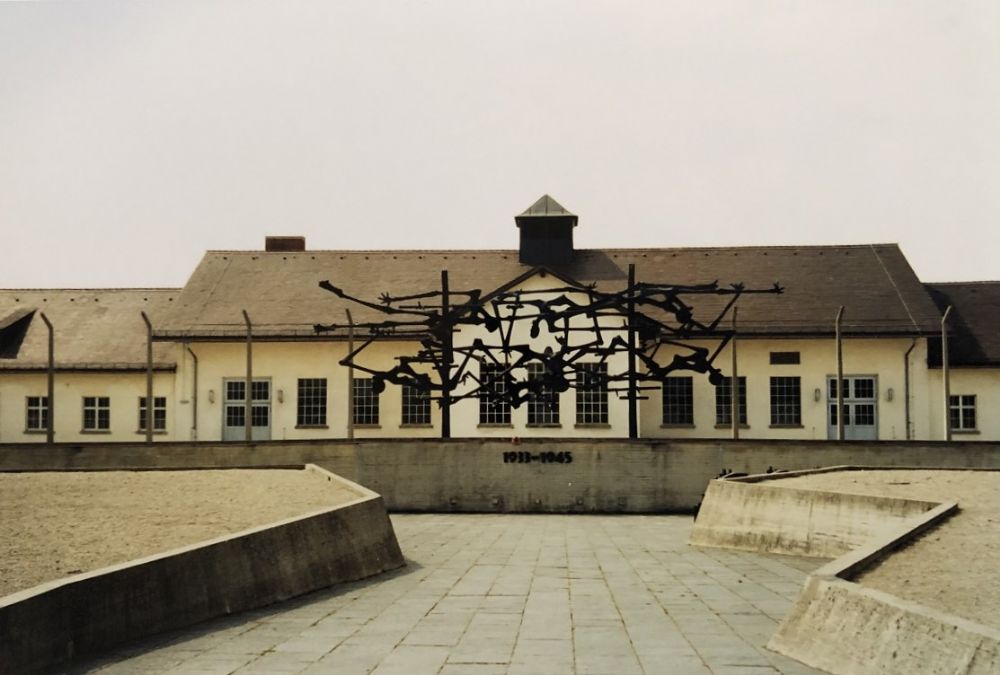


The prison camp (museum) was rather a small part of the camp. The whole city of Dachau was actually part of the concentration camp and there are several information boards that tells about these along the road between the station and the museum. An alternative to taking the bus to the museum is to walk (about 50 minutes) from the station to the museum and take part of this information. Several buildings used by the SS remain, some well kept, other’s dilapidated, and the museum has also laid bare foundations after destroyed buildings, including SS main guardhouse, through the prisoners arrived at Dachau (not the entrance to the prison camp itself). However, many preserved buildings are within a police training area and are not accessible. Of Herb Garden there are two buildings left, while the rest of the area now consists of smaller industries.
The local tourist office in Dachau tries to show that Dachau consists of more than just the first Nazi concentration camp. But the city will forever be associated with the first and one of the most famous Nazi concentration camps. Nowadays it is easy for western Europeans to travel to Poland and Auschwitz, but before the fall of communism in Eastern Europe it was not so easy. Dachau then became as the best known camp in Western Europe Western Europe’s response to Auschwitz.